Talking to your doctor about your nutrition needs is one of the most effective steps you can take to support your healing and overall health, yet many patients feel unsure about how to begin the conversation. Nutrition often gets overlooked during medical appointments, even though it plays a major role in recovery, immune function, wound healing, and disease management. Starting an open, informed discussion can help you receive better care, prevent complications, and ensure your nutrition plan aligns with your medical treatment. With the right approach, these conversations can become empowering and productive.
A good place to start is by sharing any symptoms or concerns you may have related to nutrition. You might notice decreased appetite, unintentional weight loss, fatigue, digestive issues, or changes in your wound healing. These are important signs that your body may not be getting what it needs. Mentioning specific examples helps your doctor understand the impact nutrition is having on your daily life. You can also bring up any supplements you are taking, questions about your diet, or difficulties you face preparing or accessing nutritious food. The more detail you provide, the easier it becomes for your doctor to identify whether nutrition may be contributing to your health challenges.
It’s also helpful to ask direct questions about how your medical condition affects your nutritional needs. Many illnesses, treatments, and medications influence your appetite, metabolism, or ability to absorb nutrients. Asking questions such as “Does my condition increase my protein or calorie needs?” or “Are there specific vitamins or minerals I should be focusing on?” encourages your doctor to address nutrition more thoroughly. These questions signal that nutrition matters to you and invite your doctor to provide guidance or refer you to a specialist.
If you have healing wounds, recent surgery, or a chronic condition, it can be especially valuable to ask for a referral to a Registered Dietitian. Dietitians are trained to provide personalized nutrition guidance and can help you create a plan tailored to your medical needs. You can say something like, “I want to understand how my diet can support my healing. Can I be referred to a dietitian?” Most doctors welcome this request, and many insurance plans cover dietitian visits. Bringing a dietitian into your care team ensures you receive expert support and a detailed nutrition plan designed specifically for your health situation.
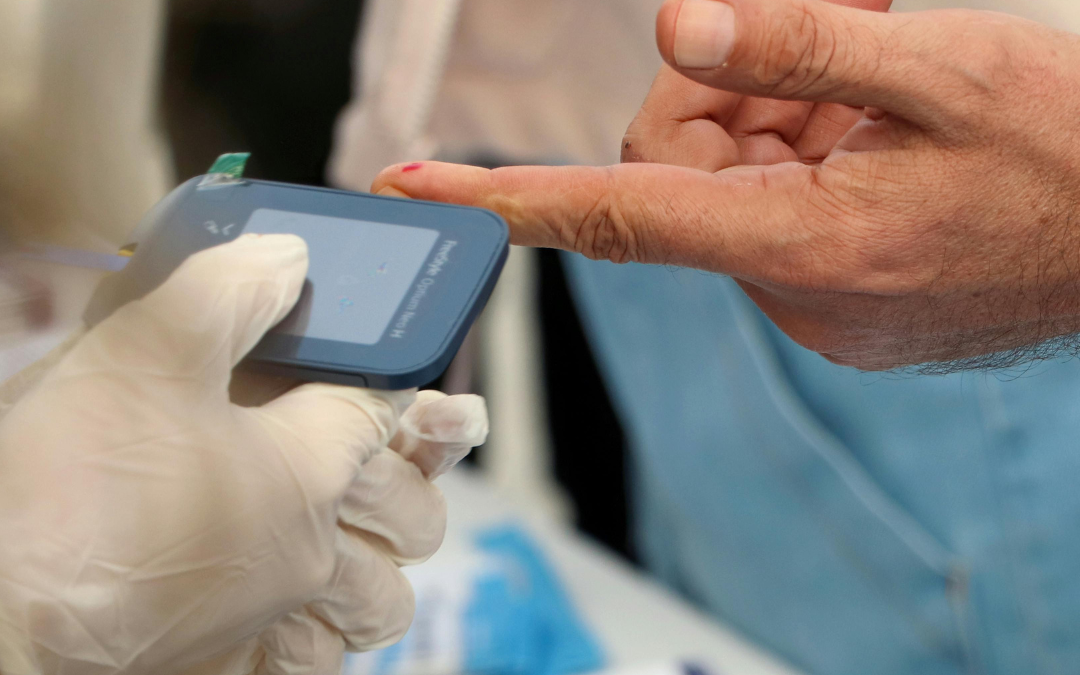
During your appointment, it can also help to bring a list of questions or notes so you don’t forget important details. Medical visits can feel rushed, and having a written list keeps the conversation focused. You might include topics such as wound healing nutrition, hydration, blood sugar management, or recommendations for supplements. If your doctor provides instructions or suggests changes, writing them down helps you remember them later. It also gives you an opportunity to ask follow-up questions or clarify anything that feels unclear.
Finally, being open and honest during the conversation builds trust and ensures you get the right guidance. Let your doctor know if you struggle with appetite, food access, or following certain recommendations. Healing is a team effort, and your doctor can offer better solutions when they fully understand your situation. By advocating for your nutrition needs and starting these important conversations, you take a proactive role in supporting your health, improving healing outcomes, and ensuring that your care plan addresses your body’s full set of needs.